Uterine Fibroid Embolization

… treatment performed at Methodist Healthcare facilities throughout Memphis.

Highly Effective, Widely Available Interventional Radiology Treatment Is Underutilized

Uterine Fibroids

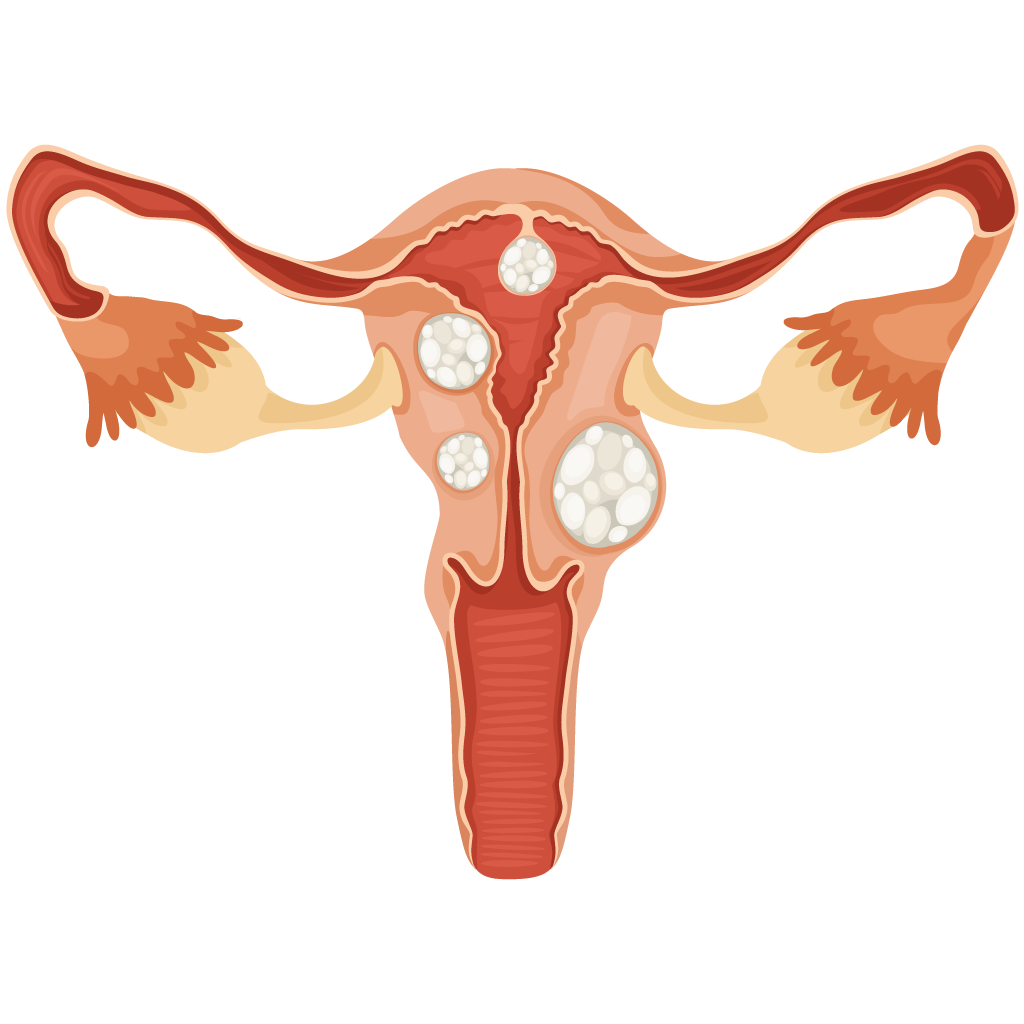
Image depicting uterine fibroids - Memphis VascularUterine fibroids are very common noncancerous (benign) growths that develop in the muscular wall of the uterus. They can range in size from very tiny (a quarter of an inch) to larger than a cantaloupe. Occasionally, they can cause the uterus to grow to the size of a five-month pregnancy. In most cases, there is more than one fibroid in the uterus.

Video Information

UFE information

Prevalence

Twenty to 40 percent of women age 35 and older have uterine fibroids of a significant size. African American women are at a higher risk for fibroids: as many as 50 percent have fibroids of a significant size. Uterine fibroids are the most frequent indication for hysterectomy in premenopausal women and, therefore, are a major public health issue. Of the 600,000 hysterectomies performed annually in the United States, one-third are due to fibroids.

Symptoms

Most fibroids don’t cause symptoms—only 10 to 20 percent of women who have fibroids require treatment. Depending on size, location and number of fibroids, they may cause:

  • Heavy, prolonged menstrual periods and unusual monthly bleeding, sometimes with clots. This can lead to anemia.
  • Pelvic pain and pressure
  • Pain in the back and legs
  • Pain during sexual intercourse
  • Bladder pressure leading to a frequent urge to urinate
  • Pressure on the bowel, leading to constipation and bloating
  • Abnormally enlarged abdomen

Embolization – a Minimally Invasive Treatment

About the Procedure

Image depicting uterine fibroid embolization using catheter - Memphis Vascular CenterUterine fibroid embolization (UFE), also known as uterine artery embolization, is performed by an interventional radiologist, a physician who is trained to perform this and other types of embolization and minimally invasive procedures. It is performed while the patient is conscious, but sedated and feeling no pain. It does not require general anesthesia and uterine fibroid treatment is performed in various Methodist Healthcare facilities throughout Memphis.

Image showing uterine fibroid embolization treatment guiding catheter through artery - Memphis VascularThe interventional radiologist makes a tiny nick in the skin in the groin and inserts a catheter into the femoral artery. Using real-time imaging, the physician guides the catheter through the artery and then releases tiny particles, the size of grains of sand, into the uterine arteries that supply blood to the fibroid tumor. This blocks the blood flow to the fibroid tumor and causes it to shrink and die.

Recovery Time

Fibroid embolization is outpatient surgery and does not require a hospital stay. Pain-killing medications and drugs that control swelling typically are prescribed following the procedure to treat cramping and pain. Many women resume light activities in a few days and the majority of women are able to return to normal activities within seven to 10 days.

Efficacy
  • On average, 85-90 percent of women who have had the procedure experience significant or total relief of heavy bleeding, pain and/or bulk-related symptoms.
  • The procedure is effective for multiple fibroids and large fibroids. Recurrence of treated fibroids is very rare. Short and mid-term data show UFE to be very effective with a very low rate of recurrence. Long-term (10-year) data are not yet available, but in one study in which patients were followed for six years, no fibroid that had been embolized regrew.
Other UFE Facts
  • An estimated 13,000-14,000 UFE procedures are performed annually in the U.S. (as of 2004).
  • Embolization of the uterine arteries is not new. It has been used successfully by interventional radiologists for more than 20 years to treat heavy bleeding after childbirth.
  • Embolization has been used to treat tumors since 1966. Embolization to treat uterine fibroids has been performed since 1995 and the embolic particles are approved by the FDA specifically to treat uterine fibroid tumors, based on comparative trials showing similar efficacy with less serious complications compared to hysterectomy and myomectomy (the surgical removal of fibroids).
  • Embolization of fibroids was first used as an adjunct to help decrease blood loss during myomectomy. To the surprise of the initial users of this method, many patients had spontaneous resolution of their symptoms after only the embolization and no longer needed the surgery.
  • UFE is covered by most major insurance companies and is widely available across the country.
  • Most women with symptomatic fibroids are candidates for UFE and should obtain a consult with an interventional radiologist to determine whether UFE is a treatment option for them. An ultrasound or MRI diagnostic test will help the interventional radiologist to determine if the woman is a candidate for this treatment.
  • Many women wonder about the safety of leaving particles in the body. The embolic particles most commonly used in UFE have been available with FDA approval for use in people for more than 20 years. During that time, they have been used in thousands of patients without long-term complications.
Effect on Fertility

There have been numerous reports of pregnancies following uterine fibroid embolization, however prospective studies are needed to determine the effects of UFE on the ability of a woman to have children. One study comparing the fertility of women who had UFE with those who had myomectomy showed similar numbers of successful pregnancies. However, this study has not yet been confirmed by other investigators.

Less than 2 percent of patients have entered menopause as a result of UFE. This is more likely to occur if the woman is in her mid-forties or older and is already nearing menopause.

Risks

UFE is a very safe method and, like other minimally invasive procedures, has significant advantages over conventional open surgery. However, there are some associated risks, as there are with any medical procedure. A small number of patients have experienced infection, which usually can be controlled by antibiotics. There also is a less than one percent chance of injury to the uterus, potentially leading to a hysterectomy. These complication rates are lower than those of hysterectomy and myomectomy.

Cost

The cost of UFE is similar to the cost of performing hysterectomy and myomectomy and, in one study, the hospital charges for UFE were lower that those for hysterectomy.

Other Treatments for Fibroids

Gynecologists perform hysterectomy and myomectomy surgery. Hysterectomy is the removal of the uterus and is considered major abdominal surgery. It requires three to four days of hospitalization and the average recovery period is six weeks.

Depending on the size and placement of the fibroids, myomectomy can be an outpatient surgery or require two to three days in the hospital. However, myomectomy is usually major surgery that involves cutting out the biggest fibroid or collection of fibroids and then stitching the uterus back together. Most women have multiple fibroids and it is not physically possible to remove all of them because it would remove too much of the uterus. While myomectomy is frequently successful in controlling symptoms, the more fibroids the patient has, generally, the less successful the surgery. In addition, fibroids may grow back several years later.

Myomectomy, like UFE, leaves the uterus in place and may, therefore, preserve the woman’s ability to have children.

Copyright © 2011 Memphis Vascular Center, Inc.
All rights reserved. Website designed by
LunaWeb - a Memphis web design company.

7695 Poplar Pike, Suite 101 • Germantown, TN 38138
Ph: (901) 683-1890 • Fx: (901) 334-5760
Share |
Suffusion theme by Sayontan Sinha